
Autonomous Vehicles Homologation
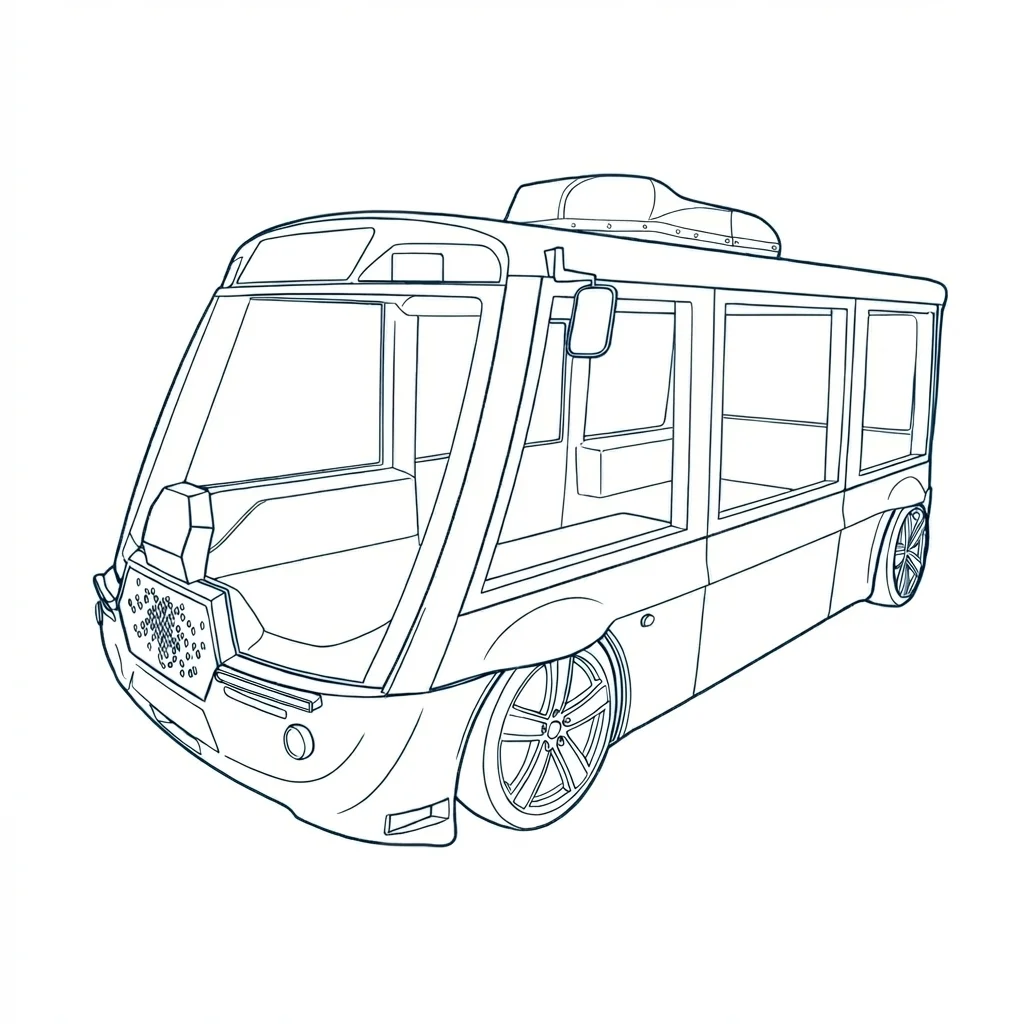
Autonomous vehicles require more than conventional vehicle homologation. The decisive factors are the right approval route, a robust safety architecture for the automated driving system, a clearly defined Operational Design Domain and a traceable evidence strategy across development, testing and operation. In Germany, the KBA can issue national type approvals for Level 4 vehicles and also testing approvals for vehicles with automated or fully automated driving functions; at EU level, the KBA also refers to EU type approvals for fully automated vehicles in small-series production.
The wider EU framework includes Implementing Regulation (EU) 2022/1426 on the type approval of the automated driving system of fully automated vehicles.
Autonomous driving requires a whole-system regulatory view
In autonomous programs, vehicle engineering, software, safety concept, operating domain and authority logic all interact directly. That is why we do not support isolated tests only. We manage the entire approval context — from early strategy through to operational readiness.
We determine whether a national or European route fits the project and define the regulatory roadmap.
We support the definition, documentation and technical translation of the system’s intended operating conditions.
We structure the approval logic for ADS, validation, testing and documentary proof.
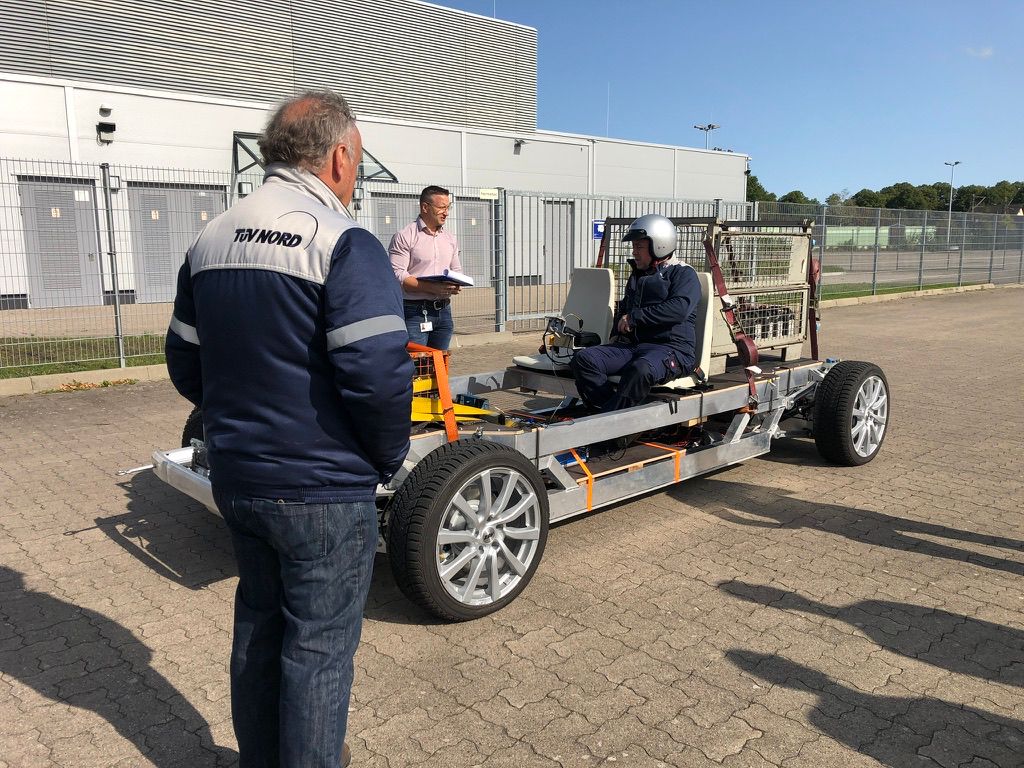
We prepare and coordinate test and pilot projects, including interaction with authorities and technical services.
We support the transition from development or pilot status into a structured operating and approval framework.





Because the ODD defines the operating conditions for which the automated driving system is designed. The KBA explicitly treats the ODD as part of the approval logic and even provides dedicated ODD templates in its testing-approval context.
Yes. The KBA states that it can issue national Level 4 approvals in Germany and EU type approvals for fully automated vehicles in small-series production.
Yes. We structure the regulatory side of testing and pilot operations so that technical development and approval logic stay aligned.
No. It is relevant wherever automated or autonomous driving functions become approval-relevant at vehicle and operational level.